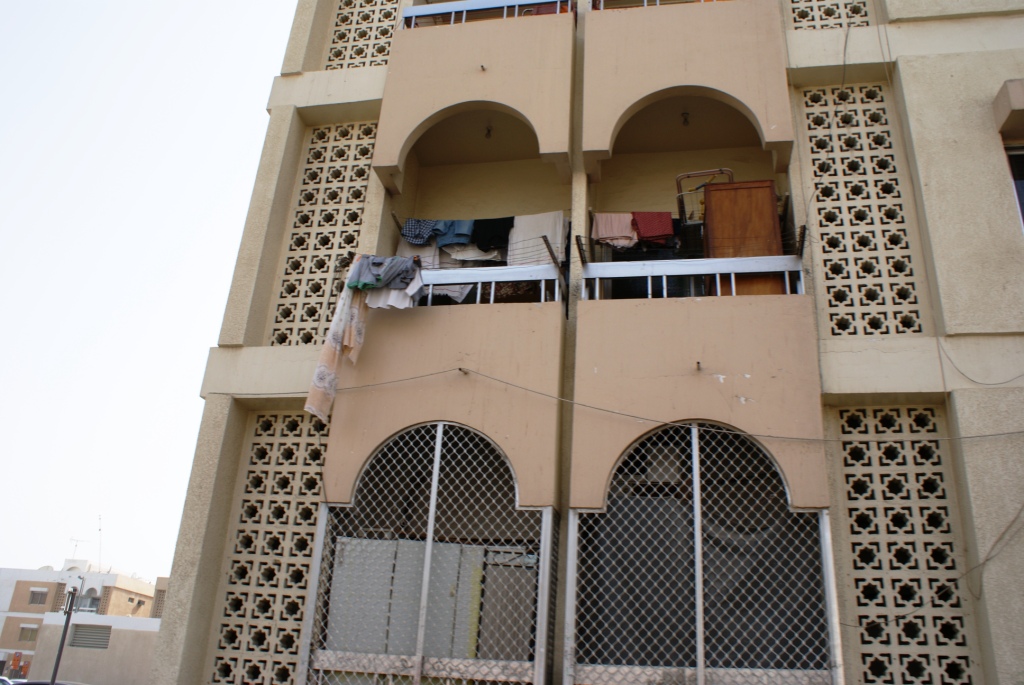
Districts and buildings of Dubai.
Dubai is a melting pot with
so many varieties of culture, nationalities and people from every walk of life.
Here are some photoes on the districts and the types of cultures .
Downtown Dubai. The bur
Dubai and deira districts used to be considered
at one point the downtown of Dubai.
Until the government and Emaar properties spent 20 billion US dollars on
building the downtown core which is called the new downtown Dubai area. This area is by far one of the
greatest tourist destinations in Dubai
and houses some of the greatest attractions in the world. It also includes the
Burj Khalifa the tallest building in the world, the Armani hotel the Dubai fountain, the Dubai
aquarium, cinema's, a gold souk, the Dubai
mall which receives over 13 million tourists last quarter and many skyscrapers
hotels restaurants and entertainment areas.
Burj Khalifa
Burj Al Arab
Souk Al Bahar
Dubai Marina: This is
a massive development that borders the jebel ali port which is the world’s
largest man made port and one of the biggest shipping and trade locations in
the middle east. This area is covered from almost every viewable direction with
hundreds of skyscrapers and hosts the jumeirah beach walk with dozens of great
restaurants, hotels, open air markets, and frequent attraction, events and
shows.
Dubai Marina
Jumeirah: This melting pot is a very diversified district in
terms of ethnicities and many residents are from Europe, Pakistan, Philippines. Its natively known as
the little Europe, little Karachi
and little manila district. Jumeirah is a top destination for Europeans because
of the many beaches, the beautiful walk and lots of sunshine. You can find some
amazing villa's here along with some of the best world class hotels that are
found in Dubai.
Some great spots to see here are the jumeirah beach, jumeirah beach residence's
walk, the tiny road side stalls with all kinds of items, ice cream parlors, and
cafe's and the jumeirah mosque
JBR. Hilton Hotel
JBR
JBR
JBR
Jumeira
Karama: Karama is also well known as another
little India
and little manila area. It is a mixed commercial and residential district with
great places that are relatively inexpensive to sample some great food and
purchase cheap items for gifts. It also has the karama fish market which is
supplied daily with fresh fish and meat from many different vendors and the
prices are much cheaper than your average grocery stores in Dubai.
International City: The Chinatown of Dubai or little Chinatown
due to the large number of Chinese and oriental residents, shops, and
restaurants. A well known residential area in the middle of the Dubai desert that boasts
some of the most amazing architectural designs and buildings. The residential
rents here are nowhere near as expensive as other districts in Dubai
and many Chinese businessmen and women live and work in this beautiful
area of Dubai
Dubai International City, embraces the residential districts of Central Business District (CBD), Persia, Greece, Spain, Morocco, England, France, Italy, Russia,China and Emirates.
Dragon Mart
DragonMart provides a gateway for the supply of Chinese products in the Middle Eastern and North African Markets, offering Chinese traders and manufacturers a unique platform from which to cater to the needs of this sizeable market. Inaugurated on December 7th, 2004, the 1.2 kilometre-long DragonMart is the largest trading centre for Chinese products outside mainland China.
The 150,000 square meter dragon-shaped structure has 3,950 shops engaged in the wholesale and retail trade of a variety of Chinese products including home appliances, stationery, office appliances, communication and acoustic equipment, lamps, household items, building materials, furniture, toys, machinery, garments, textiles, footwear and general merchandise.
Silicon Oasis
is wholly owned by the Government of Dubai providing both a living and working integrated community. Silicon Oasis is a Free Zone Authority and provides free zone incentives and benefits to companies operating within the tech park.
The Palm Jumeirah is in the shape of a palm tree. It consists of a trunk, a crown with 16 fronds, and a surrounding crescent island that forms an 11 kilometres (6.8 mi) long breakwater. The island is 5 by 5 kilometres (3.1 by 3.1 mi) and its total area is larger than 800 football pitches.[1]The crown is connected to the mainland by a 300-metre (980 ft) bridge and the crescent is connected to the top of the palm by a subsea tunnel.